
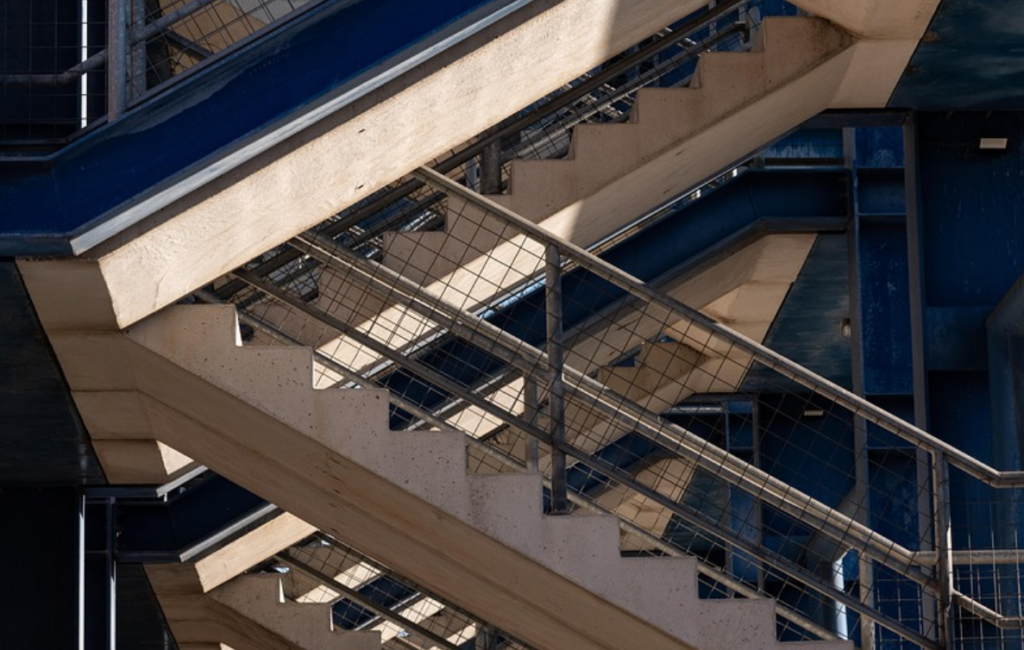
Outdoor stairs carry more risk in winter than almost any other time of year. The unseen difference between a close call and a serious fall often comes down to winter stair railing grip safety. When metal handrails are hard to grasp, slick with frost, or poorly placed, people lose the one support they expect to trust.
Many properties rely on railings installed years ago for very different traffic patterns and expectations. Today’s requirements for winter stair railing grip safety place more emphasis on ergonomics, visibility, and reliability under harsh conditions. A modern upgrade recognizes that users may be carrying bags, wearing bulky clothing, and moving quickly between vehicles and doors.
Why Railings Become Risky in Winter
Cold metal can be surprisingly difficult to hold, especially when hands are gloved or damp. Add a skin of frost or a dusting of snow and smooth, round rails become even harder to grasp. When treads are also slick, tenants, patients, and visitors need every possible advantage to maintain balance.
Visibility takes a hit as well. Early sunsets and overcast days reduce contrast between railings, steps, and surroundings. Without clear edges and cues, people are more likely to misjudge where to place a foot or reach for support.
Shape, Size, and Finish Matter
The profile of a railing makes a real difference. Grippable shapes that allow fingers to wrap fully offer far more control than oversized, ornamental sections. A design that feels comfortable in the hand, even with gloves, supports steadier movement on icy days.
Surface finishes affect traction too. Textured coatings or subtle ridges help interrupt the smoothness that encourages slippage. At the same time, finishes should be durable enough to withstand repeated use, de-icing practices, and winter cleaning routines.
Placement and Continuity Along the Stairs
Gaps in railings, sudden changes in height, or interrupted runs can confuse people just when they need support most. Continuous, predictable rails on both sides of critical stairways give users more options, especially when one hand is occupied.
Landings present another opportunity for better design. Extending rails slightly beyond the last riser and at transitions offers additional stability when people are starting or finishing a climb. These details can be especially important in front of busy entrances and loading points.
Integrating Railings with Lighting and Snow Management
Even excellent rails lose effectiveness if they vanish into the shadows. Well-placed lighting that highlights both treads and rail profiles helps users find and follow safe paths. Warm color temperatures and minimized glare improve comfort without distracting drivers or nearby workers.
Snow and ice control plans should consider railings directly. Crews need clear guidance on where to avoid piling snow, how to clear handholds without causing damage, and which de-icing products are compatible with finishes. This coordination keeps upgrades performing longer.
When to Consider a Full Upgrade
If your iron stairs show rust, loose connections, or awkward rail geometry, selective patching may not be enough. A full system upgrade allows you to incorporate current best practices in grip, layout, and integration with other safety features.
A professional assessment can reveal whether you only need new railings or whether stair stringers, treads, and landings deserve attention too. Choosing a coordinated solution brings the entire assembly up to the same level of reliability.
To transform your winter stair experience from liability to asset, contact our team for a comprehensive railing review and upgrade recommendations tailored to your site.