
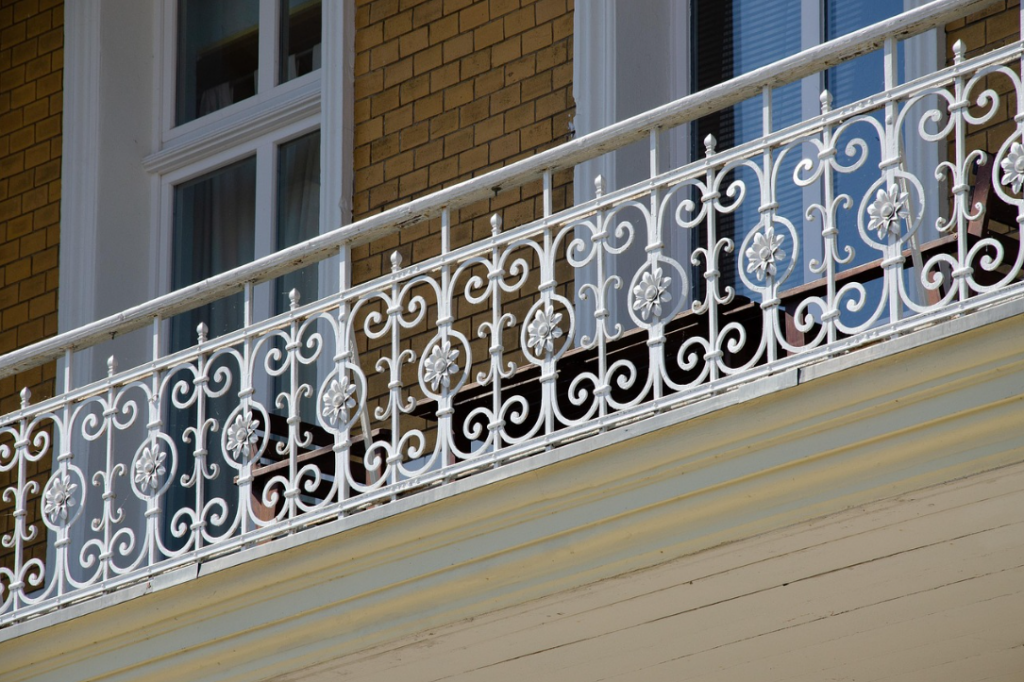
A wet step and a shaky railing are a bad combination waiting to happen. Sturdy outdoor safety railings give people something solid to grab when rain, ice, or snow make footing unpredictable.
Why Wet Weather Raises Fall Risk
Water changes how surfaces behave underfoot almost instantly. A dry step that felt totally safe yesterday can turn slick and dangerous the moment rain or frost settles on it.
A few reasons wet weather raises risk include:
- Smooth surfaces lose grip the moment moisture sits on top
- Ice forms fast on stairs exposed to wind and shade
- Leaves and debris trap water, hiding slick spots underneath
- Poor lighting at night hides wet or icy patches until it is too late
Once footing turns unreliable, a strong railing becomes the one thing standing between a stumble and a real fall.
Signs Your Current Railing Is Not Doing Its Job
Some railings look fine from a distance but fail the moment real weight or pressure gets applied. Check for these warning signs before the next storm hits.
Watch for:
- Wobbling or shifting when you grip and pull
- Rust or corrosion weakening metal posts or brackets
- Gaps where posts have pulled loose from the base
- Wood railings that feel soft, cracked, or rotted
- A height that feels too low to offer real support
Any one of these issues means the railing may fail exactly when someone needs it most.
What Makes a Railing Truly Weather-Ready
Not every railing style holds up the same way against rain, ice, and freeze cycles. A weather-ready railing uses materials and builds designed specifically to resist these conditions.
Key features to look for:
- Corrosion-resistant metal, like stainless steel or coated aluminum
- Secure base mounting that resists frost heave and shifting
- Textured grip surfaces that stay usable even when wet
- Proper drainage design that keeps water from pooling at the base
Corrosion-resistant materials matter most in climates that swing between wet, freezing, and thawing conditions throughout the year.
Placement That Protects Every Step
A railing only helps where it is actually placed. Gaps in coverage leave exactly the spots most exposed to wind, shade, and standing water without any support at all.
Smart placement includes:
- Full coverage along both sides of exposed outdoor stairs
- Extra support at the top and bottom step, where slips often start
- Coverage along ramps and sloped walkways, not just stairs
- Continuous railing runs without gaps at landings or turns
Covering every exposed step closes the gaps where falls happen most often during wet weather.
Grip Design That Works in Wet Hands
A railing that feels secure in dry weather can turn slick the moment hands get wet or cold. Grip design plays a bigger role in real-world safety than most people realize.
Grip features worth prioritizing:
- A rounded profile that fits comfortably in a closed hand
- Textured or knurled surfaces for added traction when wet
- A diameter that works well for a range of hand sizes
- Consistent grip along the full length, without smooth gaps
Textured grip surfaces hold up far better than smooth, polished rails once moisture or cold changes how a hand grips the surface.
Maintenance That Keeps Railings Reliable
A railing installed correctly still needs regular checks to stay reliable through repeated wet seasons. Skipping upkeep lets small weaknesses turn into real failures over time.
Simple maintenance steps include:
- Checking base mounts for looseness each season
- Clearing debris and leaves that trap moisture near posts
- Watching for rust spots on metal railings
- Testing grip and stability by hand before winter arrives
A few minutes of seasonal checking catches problems long before they turn into a fall risk.
Choosing a Railing Built for Real Conditions
Picking a railing style should factor in the actual weather a property faces each year, not just looks. A railing that performs well in a dry climate may fail fast somewhere with heavy rain or repeated freezing.
Questions worth asking before installing:
- Is this material rated for outdoor, wet-weather exposure?
- How is the base secured against frost movement?
- What is the expected lifespan in this specific climate?
- Does the design include proper drainage at the base?
Clear answers to these questions help avoid choosing a railing that looks solid but fails once real weather sets in.
Standing Firm Through Every Season
A dependable outdoor railing turns a risky, wet stairway into a safe one. The right materials, placement, and grip design work together to give people something solid to hold onto no matter the weather.
If your outdoor stairs feel unsafe during rain or ice, a stronger railing setup could solve the problem for good. Railings Toronto builds custom railing systems designed to hold up through demanding outdoor conditions. Reach out to Railings Toronto to plan a railing built for every wet day ahead.