
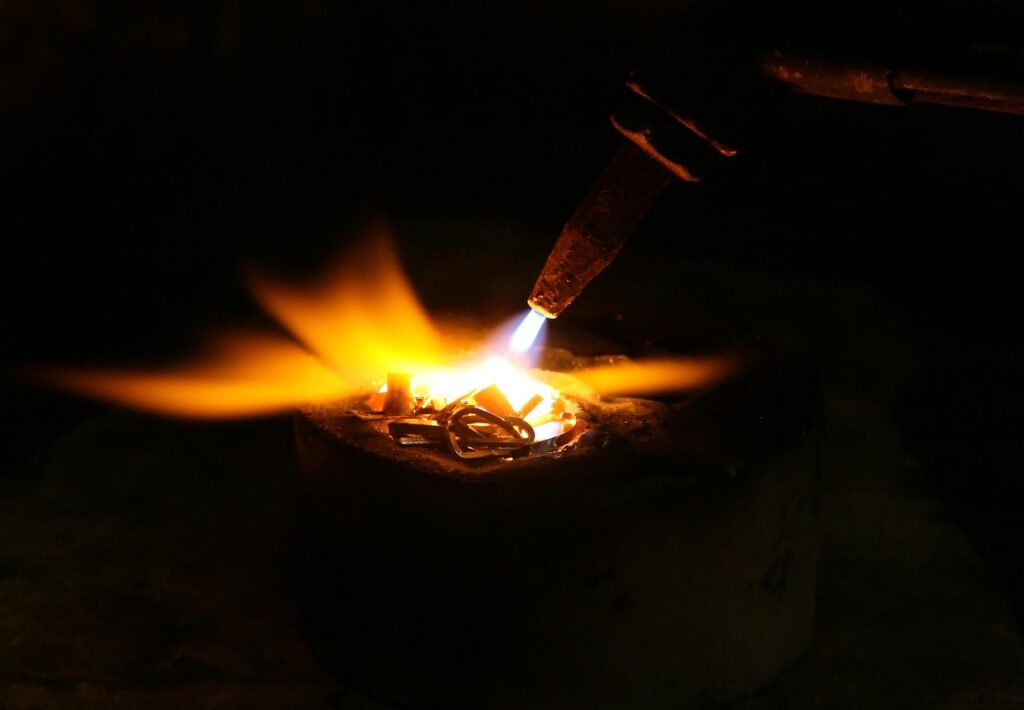
Precision welding represents far more than joining metal pieces together. It is the critical process where durability begins—where structural integrity is literally forged. An improperly welded joint fails under stress, compromises safety, and creates liability.
Professional structural metal fabrication ensures that every weld meets engineering specifications, protecting lives and investments for decades.
For architects, engineers, and builders, the difference between adequate and exceptional structures often comes down to the quality of welding during metal fabrication. Precision welding is not negotiable—it is the foundational requirement for structural excellence.
Understanding Structural Metal Fabrication
Structural metal fabrication encompasses the design, cutting, forming, and joining of metal components that create building frames, support systems, and load-bearing elements. Modern fabrication combines traditional craftsmanship with advanced technology—CNC cutting for precision, automated welding for consistency, and rigorous quality control ensuring every component meets exacting specifications.
The process begins with detailed engineering drawings that specify exact dimensions, material grades, and welding parameters. Skilled fabricators interpret these specifications, select appropriate materials, and execute the work with precision that tolerates minimal deviation. A single poorly welded joint can trigger cascading structural failures that compromise building safety.
The Durability Advantage of Professional Fabrication
Strength and Load-Bearing Capacity
Structural steel fabricated to specification provides exceptional strength-to-weight ratios that enable buildings to span larger distances and support heavier loads without excessive material. Professional fabrication ensures material properties are optimized for intended applications—high-strength steel where maximum load capacity matters, corrosion-resistant alloys in harsh environments, and specialized formulations for seismic zones.
Each structural element—beams, columns, connections—works as designed only when fabricated precisely. Undersized components fail. Oversized components waste material and inflate costs unnecessarily. Professional structural metal fabrication achieves optimal balance between safety and economy.
Precision Prevents Costly Rework
Fabrication errors discovered on-site require expensive corrections. Misaligned connection points force field modifications that compromise design integrity. Incorrect dimensions necessitate remachining or replacement of expensive components. Professional fabricators working with detailed specifications and quality control protocols prevent these costly mistakes.
Off-site fabrication under controlled conditions eliminates weather delays that plague field work. Completed components arrive ready for rapid installation, accelerating construction schedules and reducing labor costs substantially.
The Precision Welding Process
Welding Procedure Specifications Ensure Quality
Professional structural metal fabricators follow documented welding procedure specifications that detail electrode type, amperage, travel speed, preheat temperatures, and post-weld treatment. These specifications exist because improper welding parameters create brittle joints susceptible to failure under stress.
Certified welders follow these specifications exactly, understanding that deviation compromises structural integrity. Each weld receives visual inspection and often undergoes radiographic or ultrasonic testing to verify internal soundness. Only welds meeting specification are accepted—inferior work is removed and redone regardless of cost.
Material Selection Determines Longevity
Structural metal fabrication begins with material selection appropriate for environmental conditions. Mild steel works excellently in protected environments. Weathering steel resists corrosion in outdoor applications. Stainless steel excels in aggressive chemical environments. Aluminum alloys provide lightweight strength where weight matters.
Professional fabricators understand material characteristics and specify selections that provide optimal performance for decades. Wrong material choices create accelerated corrosion, premature failure, and expensive repairs—consequences that proper fabrication specification avoids entirely.
Why Contractors Specify Professional Fabrication
Safety and Code Compliance
Building codes require structural documentation demonstrating that fabricated components meet design specifications. Professional fabricators maintain detailed records proving material certifications, dimensional accuracy, welding procedure compliance, and testing results. This documentation protects contractors, engineers, and building owners—proving structures meet applicable safety codes.
Liability exposure from structural failures demands that every element be fabricated correctly. Professional structural metal fabrication provides documented proof of compliance that protects all parties.
Cost-Effectiveness Across Building Life
Despite higher upfront costs compared to inferior fabrication, professional structural metal fabrication delivers superior long-term value. Precision fabrication eliminates field rework, accelerates installation, and ensures components perform as designed throughout building lifespan. Maintenance costs remain predictable and minimal.
Buildings fabricated to specification rarely require structural repairs. Those fabricated carelessly face ongoing problems—corroding connections, fatigue failures, unplanned reinforcement—that consume maintenance budgets throughout the building’s life.
Aesthetic Integration
Structural metal fabrication isn’t purely functional. Exposed structural elements increasingly serve architectural purposes. Professional fabricators produce components whose finishes, details, and proportions enhance building aesthetics while meeting structural requirements. Custom connections, architectural detailing, and precision alignment create visual harmony that improves property value and user experience.
The Fabrication-to-Installation Sequence
Professional structural metal fabrication follows systematic processes:
Phase 1: Design Review — Fabricators verify drawings are constructible and material selections appropriate
Phase 2: Material Procurement — Certified materials arriving with mill test reports documenting properties
Phase 3: Cutting and Forming — CNC precision ensuring components match specifications exactly
Phase 4: Welding — Following documented procedures with quality verification at each stage
Phase 5: Finishing — Surface preparation, protective coating, and final dimensional verification
Phase 6: Shipping and Installation — Careful handling preventing damage to finished components
The Investment in Quality
Precision welding and structural metal fabrication represent an investment in durability, safety, and long-term value. Buildings fabricated correctly serve their intended purpose reliably for generations. Those assembled carelessly create ongoing liability and operational problems.
For architects, engineers, and builders committed to excellence, professional structural metal fabrication is not optional—it is fundamental to creating structures worthy of the trust placed in them.