
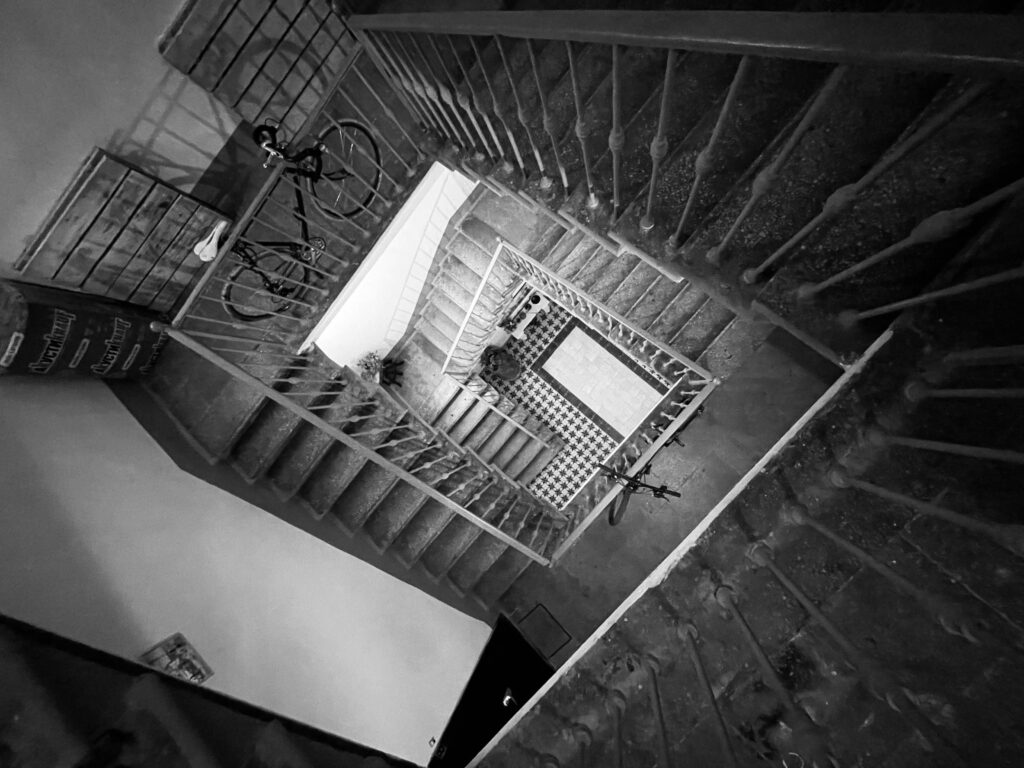
When owners in Toronto plan new guardrails for stairs, decks, or balconies, they often hear about a “4 rule” from inspectors and builders. The idea ties directly into safety, code needs, and how long the rail will stay strong, which all relate to real‑world metal durability on busy stairs and landings.
The Basics Of The 4‑Inch Rule
Most safety codes say that gaps in a guard should not allow a sphere about 4 inches wide to pass through. This includes the space between balusters and the space below the bottom rail and the tread or deck.
The primary goal of installing safety features is to prevent small children from slipping through gaps or getting stuck in structures. This important safety rule significantly influences the number of pickets required for the installation and also dictates how they should be strategically spaced along the entire run.
By ensuring adequate spacing and the right number of pickets, we create a secure environment that minimizes risks and enhances safety for young children. Follow these guidelines closely to provide peace of mind for parents and guardians, allowing them to feel confident in their children’s safety while playing or exploring.
How This Affects Design Choices
If you want a clean, open look with fewer posts, you still have to respect the spacing rule between vertical members. Wide spans may need thicker posts or different infill styles, such as glass, to stay both strong and safe.
For metal railings, the choice of profile and gauge matters. Slender, weak bars may bend over time, widening gaps beyond the target width. Solid design from the start keeps the system within safe limits over years of use.
Strength, Load, And Long‑Term Wear
Railings must also withstand set forces from people leaning, pushing, or grabbing them during slips. Codes outline minimum loads that the top rail and posts should handle without failure.
For durable metal systems, that means using proper wall thickness, welds, fasteners, and anchors. A rail that barely meets load demands when new may not age well under daily use and weather.
Weather, Rust, And Urban Conditions
Outdoor rails in Toronto face freeze‑thaw cycles, rain, and road salt spray. Over time, these can cause rust, loosen anchors, or weaken connections. If corrosion eats into thin sections, gaps may grow and strength may drop.
Quality coatings, stainless or treated fixings, and smart drain paths all help the rail resist these forces. Regular checks for flaking paint, rust spots, or movement at posts are part of keeping the system safe.
Matching Safety To Style
Modern projects often blend glass, metal, and wood to get a sleek look. Even with this mix, the 4‑inch gap rule still applies. Designers work with fabricators to hide posts, use slimmer profiles, or integrate handrails while staying within safety ranges.
For interior stairs, the same principles hold, though exposure to weather is less harsh. Clear lines, solid anchors, and proper spacing keep the rail both attractive and reliable.
Contact Railings Toronto Today
If you are planning new rails or worried about older ones, contact Railings Toronto today. The team can explain how the 4‑inch rule and load needs apply to your project, then design and install metal railings with the durability and style that suit Toronto homes and buildings in 2026.