
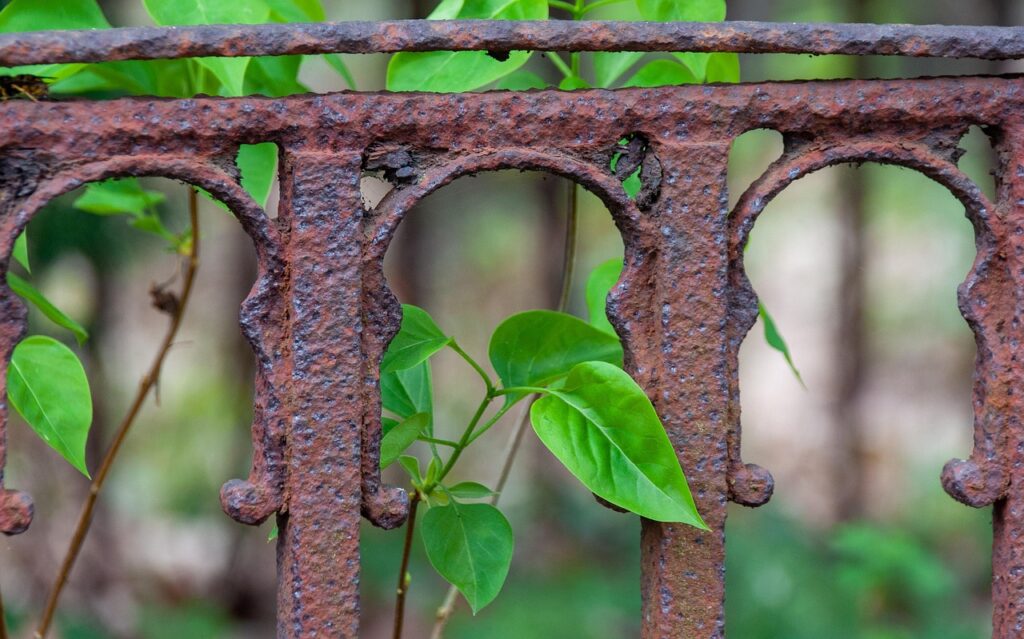
Iron railings add elegance to Toronto homes. But winter turns them into rust factories. Salt spray from roads, freeze-thaw cycles, and moisture combine to destroy unprotected iron. Understanding the damage helps you fight back.
Why Toronto Salt Attacks Iron Faster
Ontario uses three to five million tonnes of salt yearly on roads. Salt spray lands on railings and accelerates rust formation. Chloride ions penetrate protective coatings and attack bare metal.
Toronto temps swing from minus eighteen to plus five regularly. Water soaks iron. Freezing expands it nine percent. This pressure breaks protective paint. Water reaches bare metal and rust starts.
The cycle repeats fifty to eighty times per winter. Each freeze-thaw weakens paint more. By spring, rust has spread deep.
Paint Failure Signals Rust Starting
Bubbles in paint mean rust underneath. Flaking or peeling shows the coat is failing. Chalk-like residue signals paint degradation.
Check railings in spring for these signs. Don’t wait until fall. Early detection prevents major rust.
Rust Spreads Faster Than Most People Expect
Surface rust seems minor—just discoloration. But it spreads fast underneath. Within weeks, pitting forms. Months later, metal weakens.
Structural damage follows. Welds crack. Base connections loosen. Railings become dangerous.
One season of neglect creates repair bills exceeding five hundred dollars.
Prevention Beats Costly Fixes
Wash railings monthly in winter with clean water. Remove salt before it corrodes metal.
Apply car wax after washing. Wax creates a barrier against salt. Reapply after heavy storms.
Paint touchups seal cracks before winter. Inspect for damage in October. Fix then, not later.
Quality Finishes Matter Huge
Cheap paint fails within two years in Toronto. Quality exterior paint lasts three to five years.
Powder coatings outperform regular paint. They bond better and resist salt. Cost runs three to five dollars more per square foot. Worth every penny.
Factory-finished railings last longer than field-painted ones. Consider this when buying or refurbishing.
Regular Maintenance Schedule
- October: Inspect for damage and retouch paint
- November: First wash to remove fall debris
- Monthly Nov-March: Wash to remove salt
- After storms: Extra wash if heavy salt spray
- Spring: Full inspection and touch-ups
Repainting and Restoration
Minor rust stains need wire brushing and quick paint. Cost runs one hundred to three hundred dollars per area.
Heavy rust requires grinding to bare metal and full repainting. Cost runs three to eight dollars per square foot. Structural repairs add another five hundred to two thousand depending on damage.
Professional restoration beats DIY attempts. Pros know how to prepare metal properly. Their work lasts longer.
Modern Protection Options
Powder coating removes and recoats railings with industrial finish. Cost runs four to ten dollars per square foot. Ten-year warranty typical. Worth doing if railings are over five years old.
Galvanizing adds zinc layer that protects steel. Hot-dip galvanizing lasts fifty-plus years. Cost runs three to six dollars per square foot. Investment pays off through decades of protection.
Salt-Resistant Alternatives
Stainless steel railings resist salt corrosion. Cost runs double or triple regular iron. Ideal for homes near salt-spreading zones.
Aluminum railings don’t rust at all. They’re lighter and cheaper than stainless. Powder coating aluminum lasts indefinitely.
Long-Term Strategy
Original wrought iron railings are worth preserving. Invest in professional restoration. Maintain religiously year-round.
New installations? Consider stainless or galvanized options. Lower lifetime costs. Less maintenance.
Toronto’s brutal winters demand tough protection. Salt and freeze-thaw win unless you fight back.