
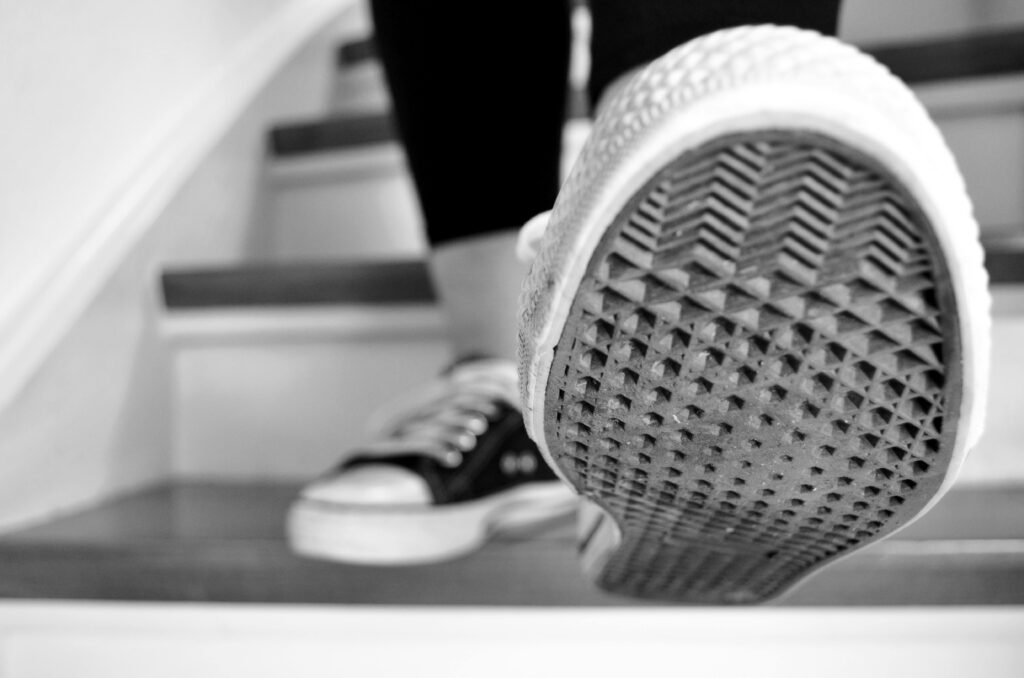
Wet steps and fast weather swings turn many Toronto stairs into hidden hazards. Poor stair traction during summer rain can lead to slips, injuries, and real liability for property owners who manage entries, decks, or multi‑unit buildings. A few smart choices in 2026 can lower that risk in a big way.
Why Stairs Get So Slick In Warm Months
Even small storms can leave a thin film of water on wood, stone, or metal treads. Dust, pollen, and street grit mix with that water to form a slick layer. In shaded or damp spots, algae and moss can also grow, making surfaces even more slippery.
Traffic from wet shoes adds to the problem. People move faster in warm weather, often in sandals or smooth‑soled shoes that do not grip well on wet surfaces.
Material Choices And Surface Texture
Smooth finishes that look great when dry may perform poorly when wet. Glossy stone and painted wood can both lose grip quickly. In contrast, textured finishes, grooved treads, and certain treated metals hold more friction in rain.
When planning new stairs, it pays to pick materials and finishes rated for wet slip resistance. This is especially true for public or shared entries.
Add‑On Grip Solutions For Existing Stairs
For existing steps, you can add grip with treads, strips, or coatings. Non‑slip strips on the nosing of each step, or full‑width grip treads, create high‑traction zones right where feet land.
Some paints and clear coatings contain grit that raises friction. These work best when applied to clean, dry, and sound surfaces, and may need fresh coats over time as they wear.
Drainage And Water Management Matter
If water pools on steps, no surface will stay safe for long. Check how rain flows across and off the stair. Clogged gutters, bad downspout aim, or poor grading can all send extra water over stair runs.
Fixing drainage around the stairs, adding drip edges, or using small channels to direct water away can greatly reduce slick spots. Drying faster is a key part of safer use.
Lighting And Handrails As Extra Safeguards
Good step lighting helps users place their feet well, even in dim rain or dusk. Seeing the edge clearly reduces missteps in wet conditions. Low‑level lights along side walls or under nosings work well.
Strong, well‑placed handrails on at least one side (and often both) give people something to hold if they do slip. The rail should be easy to grip and solid under load.
Regular Inspections Through The Season
Make a habit of walking your stairs after heavy rain. Look for green growth, pooled water, loose strips, or worn coatings. Catching these issues early lets you fix them before someone gets hurt.
Document simple checks if you manage rental or public spaces. This shows that you take safety seriously and can help with risk management.
Contact Railings Toronto Today
If summer storms turn your stairs into a worry, contact Railings Toronto today. The team can assess your steps, suggest better treads, rails, and drainage tweaks, and install upgrades that keep stair traction stronger for Toronto rain in 2026 and beyond.