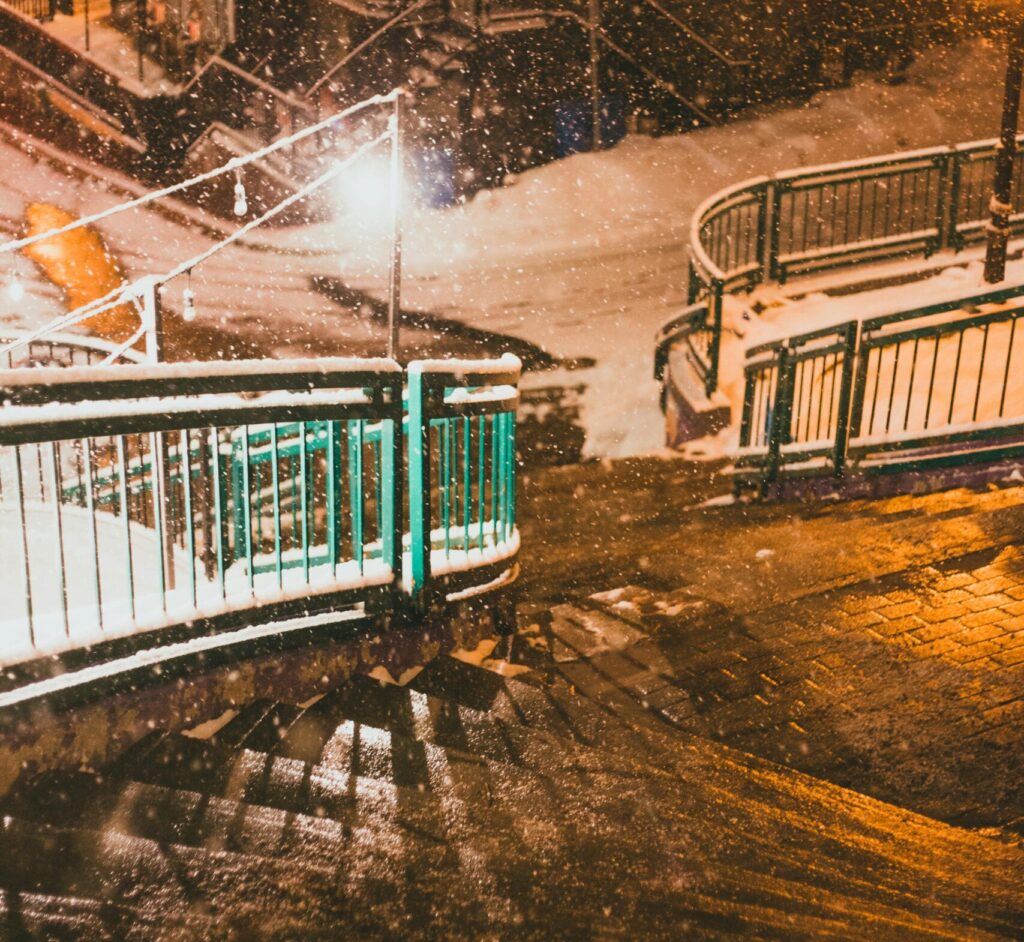
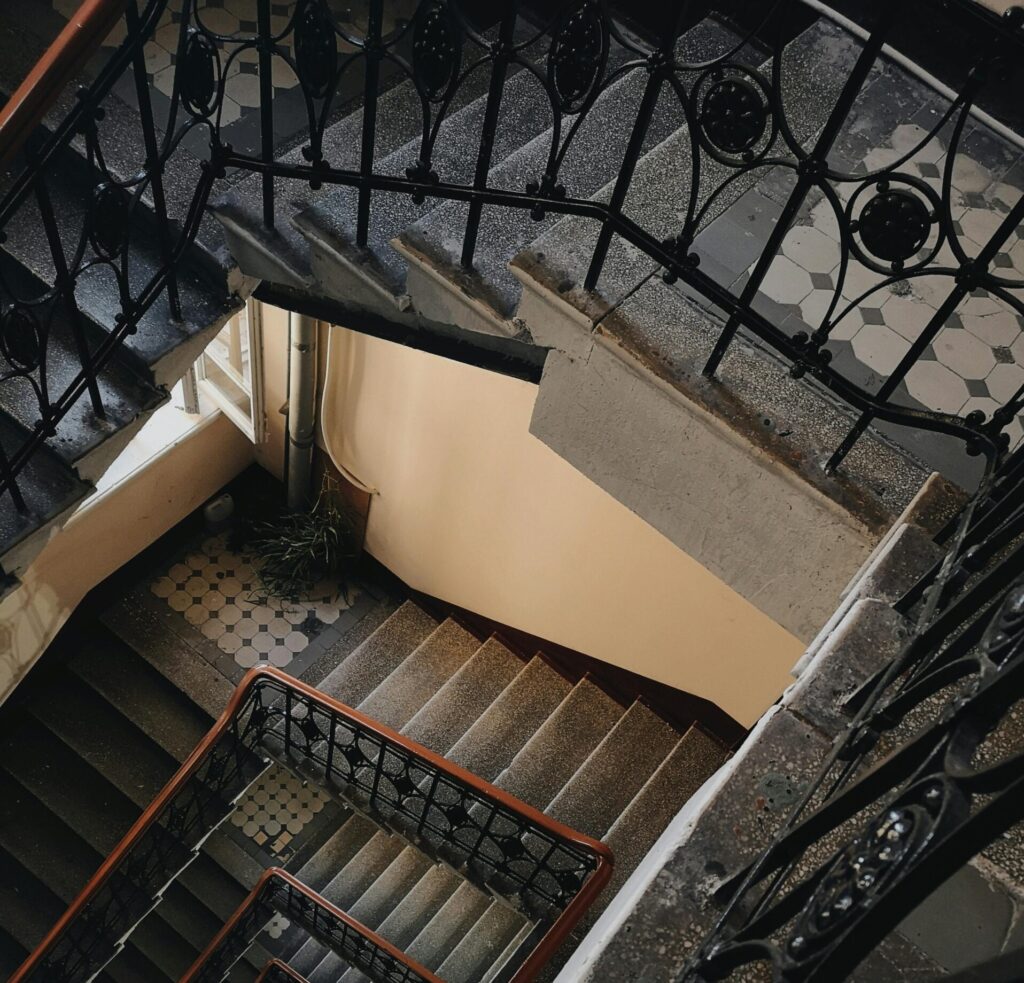
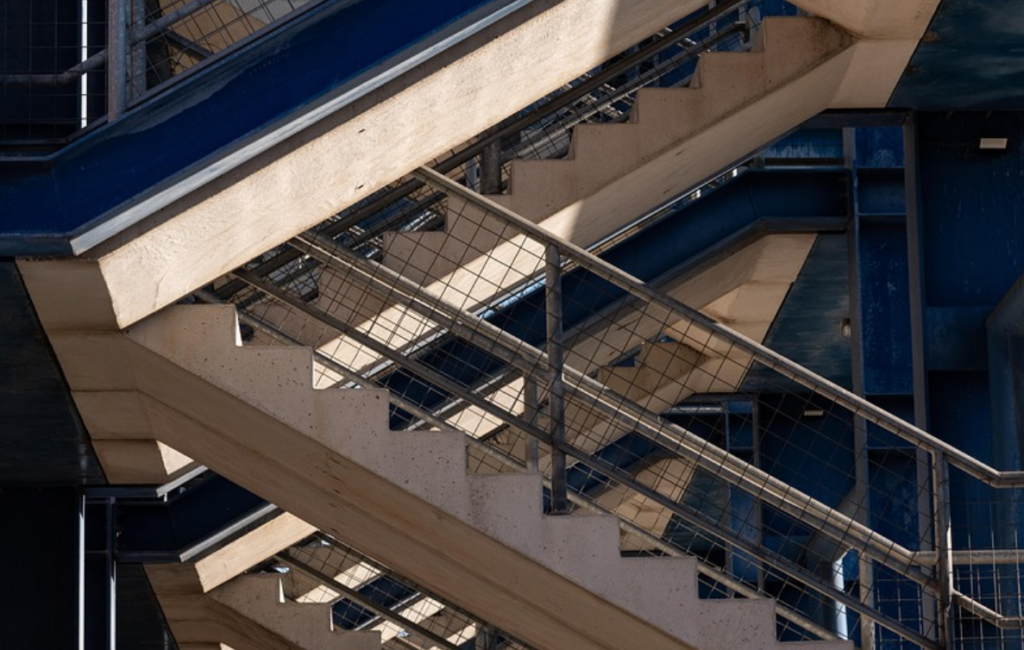
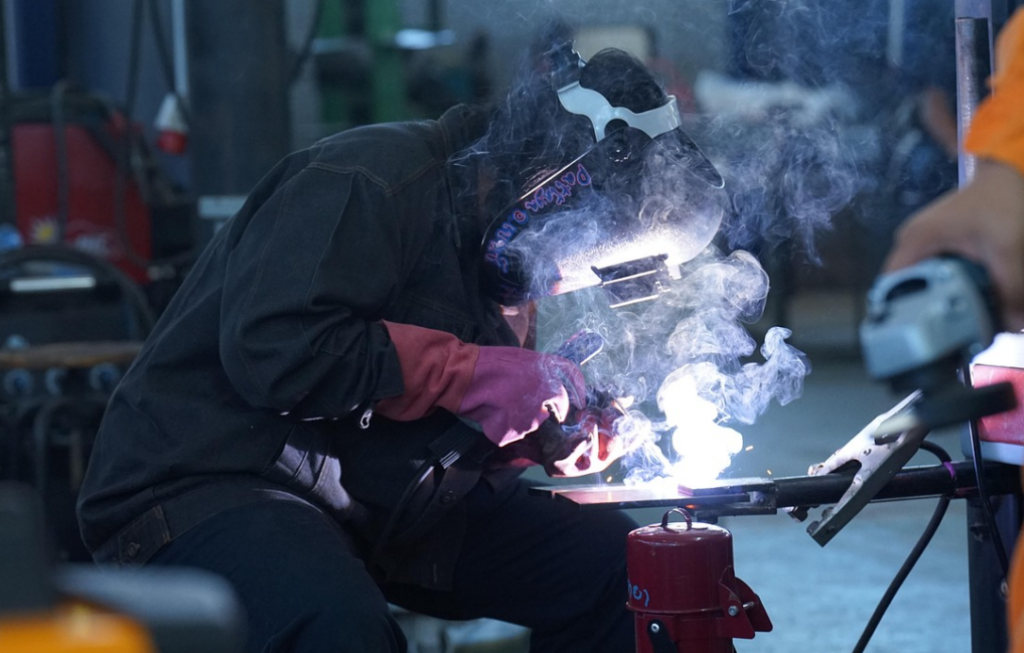
Outdoor steps can turn slick fast in a GTA cold snap. stair safety grip comes from a blend of smart railings, better treads, and steady winter habits, not just salt alone. When you layer these parts well, stairs stay safer for family, guests, and staff all season.
Traction Starts At The Tread Surface
Smooth concrete, stone, or wood offers little grip once snow and ice form a thin film. Adding non‑slip treads, textured coatings, or grit tape helps shoes bite into the surface instead of sliding. Products with raised patterns or embedded grit keep working even after many freeze and thaw cycles, and many designs suit both front steps and backyard decks.
Railings Turn Slips Into Recoveries
Even with good treads, people still lose footing in deep winter. Strong, well‑placed railings give hands a sure hold so a slip does not turn into a full fall. Code‑height handrails, smooth yet grippy profiles, and firm posts make it easier to catch yourself on that first slide, especially for kids and older adults.
Mind The Edges And First Step
Many falls start at the top or bottom step where people misjudge height or miss the edge. Marking nosings with a slightly different texture or colour can help feet find each step, even in dim light. On long runs, breaks with landings and clear handrail turns also give users a safe reset point.
Clear Snow Early And Use Melt Wisely
Letting snow pack down into ice makes any tread harder to fix later. Quick shoveling or sweeping after each fall keeps surfaces as dry and clean as possible before temps drop. Use ice melt in thin, even passes rather than thick piles, and choose blends that match your surface type. Adding a light layer of sand or grit on busy days gives extra grip on top.
Think About Drainage And Runoff
Water that has nowhere to go will freeze in place. Slight slopes away from the house, clear channels at landings, and clean gutters above stairs reduce drip lines that turn to hard ice strips. Over time, better drainage design protects both stair materials and the people using them.
Pair Safety With Lasting Materials
Some stair materials handle winter far better than others. Properly finished concrete, composite treads, and metal framed stair sets with tough coatings tend to resist cracking and spalling from freeze cycles more than soft materials. When you match durable treads with rust‑resistant aluminum and glass railings, the whole entry can handle many winters with less repair.
Upgrade Your Stair Grip With Railings Toronto
If your current stairs feel slick each time ice hits, you may need more than another bag of salt. Railings Toronto installs aluminum and glass railings for porches, decks, and stairways across the GTA, with layouts designed to boost stair safety grip and meet local code demands.
Their team can suggest railing styles, infill, and hardware that work with your steps and help keep every trip up and down steadier this winter and beyond.
Snow, wind, and road salt hit outdoor railings hard across the GTA. winter metal strength depends on steady care, smart material choices, and solid install work on every deck, porch, and stair. With a clear plan for this season, your railings can stay firm, clean, and safe from deep freeze through spring thaw.
Know What Winter Does To Railings
Freeze and thaw cycles push moisture into tiny joints and hairline flaws. When that water turns to ice, it expands and can loosen fasteners, widen gaps, and weaken anchors over time.
Road salt and de‑icers near steps and walks can speed corrosion at the base if metal sits bare or poorly coated. Even sturdy aluminum and steel feel those loads if you never clear grime or check fittings.
Clean Before Coating
Dirt, slush, and salt film hold moisture against metal. A mild soap wash and rinse on milder days clears that layer so finishes can do their job. Focus on posts, bottom rails, brackets, and hardware where splash tends to land. Once railings dry, a light protective wax or spray made for the metal type adds a thin shield that sheds water and salt for the rest of the season.
Watch Joints, Anchors, And Fasteners
Most winter problems start at the small parts, not the main rails. Loose screws, shifting brackets, or hairline cracks in concrete pads can grow as ice pries things apart. Quick checks along each flight of stairs and deck edge help you spot wobble before someone leans on a weak point.
Tightening hardware and sealing small cracks in bases now can delay much larger repair work later.
Choose Metals That Suit Ontario Winters
For new projects, material choice sets you up for fewer headaches. Powder‑coated aluminum stands up very well to snow, moisture, and salt and does not rust the way many bare ferrous metals do.
Quality glass infill with proper frames and hardware also handles cold without warping, while still giving clear views from decks and balconies. When design, code rules, and winter loads all align, railings keep both strength and style over many seasons.
Manage Ice And Snow Around Railings
Railings often sit right where snow piles from shovels or plows. Try to keep shoveled piles off posts and bases so constant melt water does not soak anchors. Skip harsh de‑icer piles right against metal, and use sand or fine grit for grip near posts.
Simple habits like sweeping fresh snow from top rails and glass panels reduce freeze bonding and keep everything easier to inspect.
Plan A Spring 2026 Checkup
Once ice fades, set time for a full look at every exterior stair and balcony. Check for chips in coating, scuffs from shovels, glass scratches, or any hint of rust at cuts and edges. Early touch‑ups and part swaps in spring help railings look sharp before patio season and keep winter wear from spreading. That routine adds real life to your metal and glass work.
Strengthen Your Railings With Railings Toronto
If your current setup feels dated, wobbly, or hard to keep up, a new system may serve you better than repeated patch jobs. Railings Toronto supplies and installs aluminum and glass railings for porches, decks, balconies, and stairs across Toronto and the GTA, with styles shaped for local winters and safety rules.
They can review your existing runs, suggest upgrades for winter metal strength, and install fresh railings that stay solid and low‑care through Ontario’s toughest seasons.
Outdoor stairs carry more risk in winter than almost any other time of year. The unseen difference between a close call and a serious fall often comes down to winter stair railing grip safety. When metal handrails are hard to grasp, slick with frost, or poorly placed, people lose the one support they expect to trust.
Many properties rely on railings installed years ago for very different traffic patterns and expectations. Today’s requirements for winter stair railing grip safety place more emphasis on ergonomics, visibility, and reliability under harsh conditions. A modern upgrade recognizes that users may be carrying bags, wearing bulky clothing, and moving quickly between vehicles and doors.
Why Railings Become Risky in Winter
Cold metal can be surprisingly difficult to hold, especially when hands are gloved or damp. Add a skin of frost or a dusting of snow and smooth, round rails become even harder to grasp. When treads are also slick, tenants, patients, and visitors need every possible advantage to maintain balance.
Visibility takes a hit as well. Early sunsets and overcast days reduce contrast between railings, steps, and surroundings. Without clear edges and cues, people are more likely to misjudge where to place a foot or reach for support.
Shape, Size, and Finish Matter
The profile of a railing makes a real difference. Grippable shapes that allow fingers to wrap fully offer far more control than oversized, ornamental sections. A design that feels comfortable in the hand, even with gloves, supports steadier movement on icy days.
Surface finishes affect traction too. Textured coatings or subtle ridges help interrupt the smoothness that encourages slippage. At the same time, finishes should be durable enough to withstand repeated use, de-icing practices, and winter cleaning routines.
Placement and Continuity Along the Stairs
Gaps in railings, sudden changes in height, or interrupted runs can confuse people just when they need support most. Continuous, predictable rails on both sides of critical stairways give users more options, especially when one hand is occupied.
Landings present another opportunity for better design. Extending rails slightly beyond the last riser and at transitions offers additional stability when people are starting or finishing a climb. These details can be especially important in front of busy entrances and loading points.
Integrating Railings with Lighting and Snow Management
Even excellent rails lose effectiveness if they vanish into the shadows. Well-placed lighting that highlights both treads and rail profiles helps users find and follow safe paths. Warm color temperatures and minimized glare improve comfort without distracting drivers or nearby workers.
Snow and ice control plans should consider railings directly. Crews need clear guidance on where to avoid piling snow, how to clear handholds without causing damage, and which de-icing products are compatible with finishes. This coordination keeps upgrades performing longer.
When to Consider a Full Upgrade
If your iron stairs show rust, loose connections, or awkward rail geometry, selective patching may not be enough. A full system upgrade allows you to incorporate current best practices in grip, layout, and integration with other safety features.
A professional assessment can reveal whether you only need new railings or whether stair stringers, treads, and landings deserve attention too. Choosing a coordinated solution brings the entire assembly up to the same level of reliability.
To transform your winter stair experience from liability to asset, contact our team for a comprehensive railing review and upgrade recommendations tailored to your site.
When steelwork carries the weight of a building or critical equipment through harsh weather, you need more than off‑the‑shelf metal. The deciding factor is winter structural metal strength. That strength is built long before the first snow falls, through expert design, careful fabrication, and reliable field welding that keep every connection performing under pressure.
Owners sometimes assume that once beams and columns are installed, the structure will handle anything the season brings. In reality, winter structural metal strength depends on how those components are welded, repaired, and maintained over time. Snow loads, ice buildup, temperature swings, and vibration all test the quality of every joint. Partnering with a specialized welding and fabrication team turns a vulnerable frame into a resilient backbone.
Why Expert Welding Matters More in Winter
Cold amplifies flaws. A rushed, under‑strength weld hidden in a beam seat or support bracket might survive mild conditions, but winter’s extra loads can turn that flaw into a real problem. Quality welding ties members together so loads move smoothly through the structure instead of concentrating at one weak point.
Pro Weld brings decades of focused experience to that challenge. Since 1990, their team has delivered structural welding and fabrication with customer service and professionalism at the core, so clients can rely on their steel through every season, not just on clear days.
CWB Certification and Structural Confidence
When you are trusting metal to protect people, property, and operations, certification is not a luxury. CWB certification gives you assurance that welding processes, procedures, and personnel meet rigorous Canadian standards. It is a practical safeguard, not just a label.
Pro Weld’s CWB status backs up their promises with documented quality systems. That means consistent procedures, traceable workmanship, and structural welds that meet or exceed the expectations of engineers, inspectors, and insurers across the Greater Toronto Area.
Mobile Welding: Strength Delivered On Site
Winter problems rarely appear at convenient times or locations. A beam connection needs reinforcement, a bracket cracks under load, or a rail support starts to fail in the cold. Waiting to dismantle and ship components to a shop is not always realistic.
Pro Weld’s complete mobile welding service brings certified welders, equipment, and expertise directly to your site. Crews handle residential and industrial projects of all sizes, from emergency repairs to planned upgrades. On‑site fabrication and welding keep downtime short while still delivering professional, code‑compliant results.
Versatility Across Metals and Applications
Structures today combine more than one type of metal. Steel frames tie into stainless components, aluminum guards, cast iron elements, and custom pieces that support machinery. Keeping winter performance high means understanding how each of these materials behaves and how to join them correctly.
Pro Weld works with carbon steel, stainless steel, aluminum, cast iron, and other alloys, using TIG, MIG, and arc welding as well as plasma cutting. That versatility supports everything from heavy equipment repairs and pressure piping to stainless architectural details and specialized laboratory systems. Their team can fabricate to print, build custom machines, and hold close tolerances where precision is essential.
From Heavy Gear to High‑Precision Systems
In real‑world facilities, winter stress shows up everywhere: in cracked equipment mounts, worn hard‑faced components, and support frames that see both thermal movement and mechanical impact. Addressing those issues often calls for a partner who can handle both heavy plate work and fine, delicate assemblies.
Pro Weld’s capabilities cover hard and soft materials, close‑tolerance machining support, and repair of hard‑to‑weld components like cast iron. Whether it is reinforcing industrial machinery, restoring agricultural equipment, or supporting aerospace and marine projects, they can match the process to the application and environment.
Keeping GTA Metal Ready for the Next Storm
Twenty‑plus years of serving the Greater Toronto Area have given Pro Weld deep familiarity with local conditions, building types, and industry needs. From commercial structures and multi‑unit residential projects to specialized medical and laboratory environments, they understand the stakes when metal is the last line of defense in winter.
If you want your structural steel, stairs, rails, equipment frames, or custom fabrications to stand up to this winter and many more, contact Pro Weld for a free estimate. Their team can review your needs, propose on‑site or shop solutions, and deliver welding and fabrication that keeps your metal strong when the weather is anything but forgiving.
Precision welding represents far more than joining metal pieces together. It is the critical process where durability begins—where structural integrity is literally forged. An improperly welded joint fails under stress, compromises safety, and creates liability.
Professional structural metal fabrication ensures that every weld meets engineering specifications, protecting lives and investments for decades.
For architects, engineers, and builders, the difference between adequate and exceptional structures often comes down to the quality of welding during metal fabrication. Precision welding is not negotiable—it is the foundational requirement for structural excellence.
Understanding Structural Metal Fabrication
Structural metal fabrication encompasses the design, cutting, forming, and joining of metal components that create building frames, support systems, and load-bearing elements. Modern fabrication combines traditional craftsmanship with advanced technology—CNC cutting for precision, automated welding for consistency, and rigorous quality control ensuring every component meets exacting specifications.
The process begins with detailed engineering drawings that specify exact dimensions, material grades, and welding parameters. Skilled fabricators interpret these specifications, select appropriate materials, and execute the work with precision that tolerates minimal deviation. A single poorly welded joint can trigger cascading structural failures that compromise building safety.
The Durability Advantage of Professional Fabrication
Strength and Load-Bearing Capacity
Structural steel fabricated to specification provides exceptional strength-to-weight ratios that enable buildings to span larger distances and support heavier loads without excessive material. Professional fabrication ensures material properties are optimized for intended applications—high-strength steel where maximum load capacity matters, corrosion-resistant alloys in harsh environments, and specialized formulations for seismic zones.
Each structural element—beams, columns, connections—works as designed only when fabricated precisely. Undersized components fail. Oversized components waste material and inflate costs unnecessarily. Professional structural metal fabrication achieves optimal balance between safety and economy.
Precision Prevents Costly Rework
Fabrication errors discovered on-site require expensive corrections. Misaligned connection points force field modifications that compromise design integrity. Incorrect dimensions necessitate remachining or replacement of expensive components. Professional fabricators working with detailed specifications and quality control protocols prevent these costly mistakes.
Off-site fabrication under controlled conditions eliminates weather delays that plague field work. Completed components arrive ready for rapid installation, accelerating construction schedules and reducing labor costs substantially.
The Precision Welding Process
Welding Procedure Specifications Ensure Quality
Professional structural metal fabricators follow documented welding procedure specifications that detail electrode type, amperage, travel speed, preheat temperatures, and post-weld treatment. These specifications exist because improper welding parameters create brittle joints susceptible to failure under stress.
Certified welders follow these specifications exactly, understanding that deviation compromises structural integrity. Each weld receives visual inspection and often undergoes radiographic or ultrasonic testing to verify internal soundness. Only welds meeting specification are accepted—inferior work is removed and redone regardless of cost.
Material Selection Determines Longevity
Structural metal fabrication begins with material selection appropriate for environmental conditions. Mild steel works excellently in protected environments. Weathering steel resists corrosion in outdoor applications. Stainless steel excels in aggressive chemical environments. Aluminum alloys provide lightweight strength where weight matters.
Professional fabricators understand material characteristics and specify selections that provide optimal performance for decades. Wrong material choices create accelerated corrosion, premature failure, and expensive repairs—consequences that proper fabrication specification avoids entirely.
Why Contractors Specify Professional Fabrication
Safety and Code Compliance
Building codes require structural documentation demonstrating that fabricated components meet design specifications. Professional fabricators maintain detailed records proving material certifications, dimensional accuracy, welding procedure compliance, and testing results. This documentation protects contractors, engineers, and building owners—proving structures meet applicable safety codes.
Liability exposure from structural failures demands that every element be fabricated correctly. Professional structural metal fabrication provides documented proof of compliance that protects all parties.
Cost-Effectiveness Across Building Life
Despite higher upfront costs compared to inferior fabrication, professional structural metal fabrication delivers superior long-term value. Precision fabrication eliminates field rework, accelerates installation, and ensures components perform as designed throughout building lifespan. Maintenance costs remain predictable and minimal.
Buildings fabricated to specification rarely require structural repairs. Those fabricated carelessly face ongoing problems—corroding connections, fatigue failures, unplanned reinforcement—that consume maintenance budgets throughout the building’s life.
Aesthetic Integration
Structural metal fabrication isn’t purely functional. Exposed structural elements increasingly serve architectural purposes. Professional fabricators produce components whose finishes, details, and proportions enhance building aesthetics while meeting structural requirements. Custom connections, architectural detailing, and precision alignment create visual harmony that improves property value and user experience.
The Fabrication-to-Installation Sequence
Professional structural metal fabrication follows systematic processes:
Phase 1: Design Review — Fabricators verify drawings are constructible and material selections appropriate Phase 2: Material Procurement — Certified materials arriving with mill test reports documenting properties Phase 3: Cutting and Forming — CNC precision ensuring components match specifications exactly Phase 4: Welding — Following documented procedures with quality verification at each stage Phase 5: Finishing — Surface preparation, protective coating, and final dimensional verification Phase 6: Shipping and Installation — Careful handling preventing damage to finished components
The Investment in Quality
Precision welding and structural metal fabrication represent an investment in durability, safety, and long-term value. Buildings fabricated correctly serve their intended purpose reliably for generations. Those assembled carelessly create ongoing liability and operational problems.
For architects, engineers, and builders committed to excellence, professional structural metal fabrication is not optional—it is fundamental to creating structures worthy of the trust placed in them.
A visitor stepping into your home encounters the staircase immediately. This architectural focal point either impresses or underwhelms within seconds. A decrepit wooden railing with loose balusters communicates neglect. A custom iron stair railing conveys elegance, quality, and pride in homeownership. This single feature dramatically influences how prospects perceive your entire property—and ultimately, what they’re willing to pay.
Custom iron stair railings represent one of the highest-return home upgrades available. Industry data consistently shows staircase remodeling returns 70 to 80 percent ROI—among the best improvements homeowners can make. Custom iron railings significantly exceed basic alternatives in both durability and aesthetic impact.
Understanding Staircase Renovation ROI
The Value of Visual Focal Points
Staircases occupy prominent positions in home layouts. Unlike kitchen upgrades hidden in one room, staircase improvements are visible throughout multi-story homes. A beautifully executed custom iron railing catches attention of every visitor—making an impression that influences perception of the entire property.
Real estate research demonstrates that distinctive architectural features command attention in listing photos and open houses. Custom iron railings photograph exceptionally well, generating online engagement that translates to showings and offers. The visual impact of wrought iron elegance spreads throughout digital marketing materials, multiplying marketing effectiveness.
Rental Rate Premiums for Upgraded Features
For rental properties, upgraded staircases command premium pricing. Tenants in multi-unit buildings notice staircase quality immediately. Well-maintained, aesthetically pleasing common areas signal professional management and building investment. Custom iron railings communicate that level of professionalism unmistakably.
Rental properties with upgraded staircases attract more qualified tenant applications, command 5–10 percent rental premiums, and experience higher retention rates. For properties with multiple units, these rental increases compound across the portfolio, generating substantial revenue increases.
Custom Iron Stair Railings Exceed Basic Alternatives
Durability Spanning Decades
Wrought iron properly fabricated and maintained provides exceptional longevity. Unlike wooden railings that splinter, warp, and require ongoing refinishing, iron railings resist environmental stress. No rotting. No warping. No seasonal maintenance cycles.
A custom iron railing fabricated today will outlast current owners and serve future residents reliably for 50+ years. This extraordinary durability means your investment protects property value far into the future—providing legacy value extending well beyond your ownership tenure.
Safety Features Beyond Aesthetics
Building codes specify railing heights, baluster spacing, and load-bearing capacity. Custom iron fabrication ensures compliance while exceeding minimum requirements. Professional fabricators understand that safety and aesthetics must integrate seamlessly.
Strong balusters spaced to prevent child entrapment, sturdy handrails accommodating accessibility needs, and elegant proportions that enhance rather than detract from home aesthetics represent the standard for custom iron work. Standard alternatives often compromise on one dimension to achieve another.
Aesthetic Flexibility for Any Design Style
Contemporary minimalism, traditional elegance, industrial edge, Mediterranean charm—custom iron railings adapt to any architectural style. Contemporary designs feature clean lines and geometric patterns. Historic renovation work incorporates ornamental details matching period specifications. Custom fabrication allows artistic expression while maintaining functional excellence.
This design flexibility means custom iron railings enhance rather than clash with existing architecture. The result looks intentional and intentional, never compromised or makeshift.
The Financial Case for Investment
Material and Labor Costs
Custom iron stair railings typically cost $1,500 to $4,500 depending on complexity, linear footage, and fabrication requirements. This represents significant investment—but returns justify the expense decisively.
A staircase upgrade costing $3,000 returns $2,100–$2,400 in appraised value increases according to typical 70–80 percent ROI metrics. For properties being sold, this typically represents profit on the transaction. For properties being held, the value increase accelerates equity building substantially.
Maintenance Cost Savings
Wooden railings require seasonal sealing, periodic refinishing, repair of split or warped boards, and occasional baluster replacement. These maintenance cycles consume hundreds of dollars annually across a railing’s lifespan.
Custom iron railings require minimal maintenance—occasional cleaning and minor touch-up painting if protective coatings wear. These minimal costs compound across decades, representing substantial cumulative savings compared to wooden railing maintenance.
Property Valuation Impact
Professional landscaping increases property values by up to 20 percent according to real estate research. Staircase upgrades contribute directly to this valuation improvement. A $500,000 home benefiting from a 4 percent valuation increase (achievable through combined interior improvements including custom railings) sees $20,000 value appreciation.
For properties being sold, this valuation increase frequently exceeds improvement costs, delivering immediate equity gains. For properties being held, the value appreciation accelerates long-term wealth building.
Installation Considerations and Timing
Professional Fabrication and Installation Essential
Custom iron railings must be fabricated by experienced craftspeople and installed by professionals familiar with structural requirements. DIY or bargain installation compromises both safety and aesthetic results. Professional installation ensures railings meet code requirements, function reliably, and appear intentional rather than amateur.
Quality fabrication and installation represent larger investment upfront but deliver results reflecting that investment quality for decades. Budget alternatives rarely justify their lower cost when replacement becomes necessary within 15–20 years.
Coordination with Staircase Design
Optimal results occur when railing design complements overall staircase aesthetics. Handrail finishes, baluster styles, and ornamental details should harmonize with stair tread materials and surrounding architecture. Professional designers coordinate these elements, ensuring unified visual impact rather than clashing components.
Aesthetic Enhancement Supporting Buyer Psychology
Homes selling successfully create emotional connections that drive purchase decisions. Beautiful custom iron railings contribute disproportionately to these emotional responses. The combination of visual elegance and tactile quality of custom ironwork creates impressions that budget alternatives cannot match.
Buyers notice and remember distinctive features. Custom iron railings create memorable impressions—the kind that influence decisions when comparing multiple properties.
Transforming Your Staircase Into an Asset
Custom iron stair railings represent one of the highest-return home improvements available. The combination of visual impact, durability, minimal maintenance, and design flexibility creates lasting value that justifies investment. Whether enhancing properties for sale or improving residential enjoyment, custom iron railings transform staircases from functional necessity into architectural focal points that distinguish properties in competitive markets.
Iron railings add elegance to Toronto homes. But winter turns them into rust factories. Salt spray from roads, freeze-thaw cycles, and moisture combine to destroy unprotected iron. Understanding the damage helps you fight back.
Why Toronto Salt Attacks Iron Faster
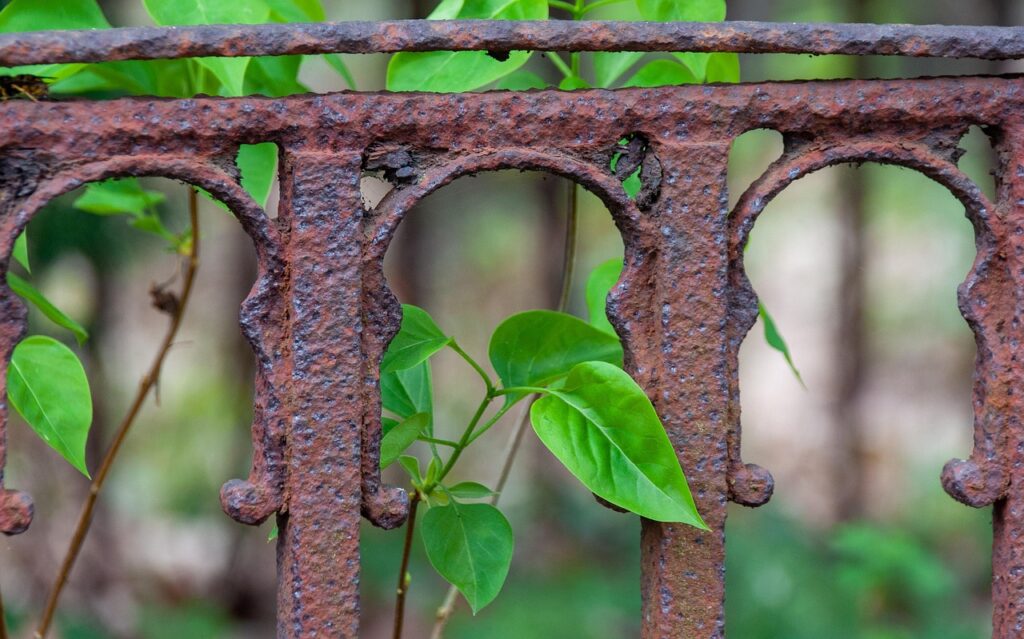
Ontario uses three to five million tonnes of salt yearly on roads. Salt spray lands on railings and accelerates rust formation. Chloride ions penetrate protective coatings and attack bare metal.
Toronto temps swing from minus eighteen to plus five regularly. Water soaks iron. Freezing expands it nine percent. This pressure breaks protective paint. Water reaches bare metal and rust starts.
The cycle repeats fifty to eighty times per winter. Each freeze-thaw weakens paint more. By spring, rust has spread deep.
Paint Failure Signals Rust Starting
Bubbles in paint mean rust underneath. Flaking or peeling shows the coat is failing. Chalk-like residue signals paint degradation.
Check railings in spring for these signs. Don’t wait until fall. Early detection prevents major rust.
Rust Spreads Faster Than Most People Expect
Surface rust seems minor—just discoloration. But it spreads fast underneath. Within weeks, pitting forms. Months later, metal weakens.
Structural damage follows. Welds crack. Base connections loosen. Railings become dangerous.
One season of neglect creates repair bills exceeding five hundred dollars.
Prevention Beats Costly Fixes
Wash railings monthly in winter with clean water. Remove salt before it corrodes metal.
Apply car wax after washing. Wax creates a barrier against salt. Reapply after heavy storms.
Paint touchups seal cracks before winter. Inspect for damage in October. Fix then, not later.
Quality Finishes Matter Huge
Cheap paint fails within two years in Toronto. Quality exterior paint lasts three to five years.
Powder coatings outperform regular paint. They bond better and resist salt. Cost runs three to five dollars more per square foot. Worth every penny.
Factory-finished railings last longer than field-painted ones. Consider this when buying or refurbishing.
Regular Maintenance Schedule
October: Inspect for damage and retouch paint
November: First wash to remove fall debris
Monthly Nov-March: Wash to remove salt
After storms: Extra wash if heavy salt spray
Spring: Full inspection and touch-ups
Repainting and Restoration
Minor rust stains need wire brushing and quick paint. Cost runs one hundred to three hundred dollars per area.
Heavy rust requires grinding to bare metal and full repainting. Cost runs three to eight dollars per square foot. Structural repairs add another five hundred to two thousand depending on damage.
Professional restoration beats DIY attempts. Pros know how to prepare metal properly. Their work lasts longer.
Modern Protection Options
Powder coating removes and recoats railings with industrial finish. Cost runs four to ten dollars per square foot. Ten-year warranty typical. Worth doing if railings are over five years old.
Galvanizing adds zinc layer that protects steel. Hot-dip galvanizing lasts fifty-plus years. Cost runs three to six dollars per square foot. Investment pays off through decades of protection.
Salt-Resistant Alternatives
Stainless steel railings resist salt corrosion. Cost runs double or triple regular iron. Ideal for homes near salt-spreading zones.
Aluminum railings don’t rust at all. They’re lighter and cheaper than stainless. Powder coating aluminum lasts indefinitely.
Long-Term Strategy
Original wrought iron railings are worth preserving. Invest in professional restoration. Maintain religiously year-round.
New installations? Consider stainless or galvanized options. Lower lifetime costs. Less maintenance.
Toronto’s brutal winters demand tough protection. Salt and freeze-thaw win unless you fight back.
Winter renovations across the Greater Toronto Area face unique metalwork challenges that can derail timelines and budgets. Homeowners planning deck railings, stair installations, or structural improvements during colder months encounter welding complications that inexperienced contractors struggle to manage. Understanding these common problems helps property owners recognize when they need specialists like Pro Weld Railings Toronto who handle winter conditions with precision.
Cold Metal Contraction Creates Fitting Problems
Steel and aluminum contract in freezing temperatures, changing dimensions enough to throw off measurements taken in warmer conditions. Railings fabricated indoors may not fit properly when installed outside during January cold snaps.
This contraction affects joint alignment and creates gaps that compromise both aesthetics and structural integrity. Professional welders account for thermal expansion coefficients when measuring and fabricating winter installations.
Moisture Infiltration Weakens Weld Quality
GTA winters bring snow, ice, and humidity that create moisture problems on metal surfaces. Water contamination in welds produces porosity and weak joints that fail safety inspections. Inexperienced welders working in garages or outdoor settings often miss condensation forming on cold metal, leading to substandard work that requires costly repairs. Proper surface preparation and environmental control separate amateur attempts from professional results.
Inadequate Heat Input Compromises Bonds
Cold base metals pull heat away from weld pools faster than summer conditions allow. Welders who don’t adjust amperage and travel speed for winter temperatures create insufficient penetration and weak fusion.
This becomes particularly problematic with thicker materials used in structural railings and support beams. The welds may look acceptable but lack the strength required for code compliance and long-term safety.
Workspace Limitations Reduce Precision
Winter forces many welding projects into cramped garages, basements, or hastily erected shelters where ventilation, lighting, and positioning suffer. Limited workspace increases defects as welders contort around obstacles without proper setup.
Professional shops maintain climate-controlled fabrication areas with adequate room for quality work regardless of outdoor conditions.
Material Handling Delays Slow Progress
Frozen ground complicates equipment access and material delivery to renovation sites. Steel beams and railing components become difficult to maneuver when snow and ice limit truck access. These logistical challenges extend timelines and increase labor costs when contractors lack experience coordinating winter workflows.
Paint and Coating Failures
Protective finishes applied in cold temperatures don’t cure properly, leading to premature rust and corrosion. The powder coating and galvanization processes require specific temperature ranges that many contractors can’t maintain during GTA winters. Surface treatments applied incorrectly necessitate complete refinishing within months rather than lasting years.
Code Compliance Complications
Building inspectors pay close attention to welding quality on safety-critical installations like railings and structural supports. Winter welding defects often surface during inspections, forcing expensive remediation that delays project completion. Contractors unfamiliar with cold-weather techniques struggle to meet standards that professionals handle routinely.
Choosing the Right Partner
Pro Weld Railings Toronto brings specialized expertise to winter metalwork projects throughout the GTA. Their climate-controlled fabrication facility eliminates environmental variables while their field teams use proven cold-weather techniques for on-site installations. From custom deck railings to structural beams, they deliver code-compliant welding that withstands Toronto’s demanding climate. When your renovation timeline can’t wait for spring, partnering with experienced professionals prevents the costly mistakes that plague winter welding projects.
Your balcony is a vital extension of your living space, a place to enjoy Toronto’s skyline, sunsets, and fresh air. The right railing system is essential, not only for meeting stringent Ontario Building Codes for safety but also for maximizing the beauty and functionality of your outdoor retreat. By choosing custom-designed solutions, you can transform a standard safety barrier into a defining architectural feature.
Top Material Choices for Elegant Balcony Railings
When selecting your balcony railing Toronto solution, durability and design versatility are paramount in the GTA’s climate. The three most popular high-end options offer distinct aesthetic benefits:
Frameless Glass Railings:
Aesthetic: The ultimate modern choice. Frameless glass uses thick, tempered safety panels secured by sleek hardware (often aluminum base shoes or discreet standoff clips). It provides a clean, unobstructed view, maximizing light and creating the illusion of a larger, seamless space.
Best For: Contemporary homes, high-rise condos, and properties with scenic views where preserving the sightline is the priority.
Wrought Iron Railings:
Aesthetic: Timeless, classic, and highly customizable. Wrought iron allows for intricate scrollwork, ornamental patterns, and bespoke details that can be matched to historical or Victorian architecture, adding an unparalleled sense of luxury and permanence.
Best For: Traditional homes, heritage buildings, or owners seeking a unique, custom-forged piece of metal artistry. Wrought iron is exceptionally durable against high winds and physical wear.
Aluminum Railings:
Aesthetic: Sleek, low-maintenance, and versatile. Modern aluminum railings are often powder-coated in trending colours like matte black or charcoal grey. They offer the clean lines of steel but are significantly lighter and 100% rust-resistant, making them ideal for handling the GTA’s moisture without requiring frequent repainting.
Best For: Contemporary townhomes and decks where minimal maintenance and high durability are required. Aluminum can be paired with glass infill for a mixed-material look.
The Value of Custom Design and Professional Installation
Installing a balcony railing is complex and carries significant safety responsibility. Working with a specialist ensures compliance and a premium finish:
Code Compliance: Professional installers guarantee the railing height (typically a minimum of 42 inches in Canada), baluster spacing, and materials meet all local safety codes, protecting your family and liability.
Personalized Aesthetics: Specialists like Master Iron provide custom design services, creating 3D renderings to ensure the chosen material, profile, and finish perfectly complement your home’s exterior and reflect your personal taste.
Long-Term Durability: Custom fabrication includes the use of durable coatings, such as hot-dipped galvanizing and powder coating, which are essential for protecting metal railings from corrosion and maintaining their finish against the harsh Canadian winter.
Elevate your outdoor space with a railing solution that provides security, sophistication, and a lasting improvement to your property’s curb appeal.
In the industrial heartland of the GTA, the structural integrity, functionality, and longevity of critical equipment and infrastructure depend entirely on the quality of its metal fabrication and welding. Businesses—from aerospace and manufacturing to logistics and construction—require more than basic welding; they need CWB-certified precision welding and comprehensive fabrication services that meet stringent industry codes.
The Necessity of Precision Welding and Fabrication
Industrial welding fabrication is the process of creating metal structures and components by cutting, shaping, and joining various materials (steel, stainless steel, aluminum) with high-precision techniques.
Structural Integrity: Welding forms the skeleton of industrial facilities. Expert welding ensures beams, columns, and load-bearing components are securely joined to withstand immense operational stress, environmental loads, and seismic forces, strictly adhering to Canadian Standards Association (CSA) and Canadian Welding Bureau (CWB) standards.
Custom Machinery and Equipment: Precision fabrication is used to create bespoke components that are unavailable off-the-shelf, such as specialized brackets, complex machinery components, safety guarding, mezzanines, and conveyor systems, all tailored to unique operational requirements.
Pressure Vessel and Pipe Welding: Industries dealing with chemicals, oil, gas, or process piping require specialized welding (often TIG/GTAW) that creates leak-proof, high-strength joints capable of enduring extreme pressure and temperature variations.
Key Precision Welding Techniques
Reputable industrial welding fabrication GTA companies utilize multi-process welding capabilities to suit the material and application:
TIG Welding (Gas Tungsten Arc Welding – GTAW): The gold standard for precision. TIG welding uses a non-consumable electrode and offers unparalleled control over the weld pool. This technique is preferred for thin materials, stainless steel, and aluminum where a clean, high-quality, non-porous weld bead is critical (e.g., sanitary environments, aerospace components).
MIG Welding (Gas Metal Arc Welding – GMAW): Known for its speed and high deposition rate, MIG welding is the workhorse for heavier, larger materials and high-volume production, such as structural steel and large assemblies.
Stick Welding (Shielded Metal Arc Welding – SMAW): Highly versatile and portable, Stick welding is often used for outdoor work, structural reinforcement, and repairs on construction sites where conditions may be challenging.
Comprehensive Services for Industrial Clients
The leading fabrication shops offer a full, turn-key solution:
Design Engineering: Moving beyond simple fabrication, some firms offer design services to bring complex ideas to life, focusing on functionality, efficiency, and cost-effectiveness.
Custom Fabrication: In-house capabilities include high-precision laser cutting, CNC machining, bending, and forming, ensuring components are manufactured to tight tolerances before assembly.
Mobile and Emergency Welding: Downtime is costly. Many providers offer 24/7 mobile welding services across the GTA, bringing fully equipped units and certified welders directly to the job site for time-critical repairs on machinery, production lines, or structural damage.
Partnering with a CWB-certified firm that integrates precision welding with comprehensive fabrication ensures your industrial projects are structurally robust, compliant, and built for lasting performance.
I first connected with Pro Weld in July last year as we were just looking into getting our Front Entrance steps done for our house and we were in the market for a Stainless Steel/Glass combo railing. I met with Pro Weld and two other companies but from the first time I met with Tal and the Pro Weld team I knew they were the ones to do the job!. Everything went smooth with the design and install. We love the railing and get compliments on it all the time. The quality of the work done by Pro Weld is amazing! So if you have a railing to do look no further because these guys are the best and its money well spent for the quality that you are getting!
Delivered right on time as promised. Clean job and even followed up with me two weeks after to make sure I’m happy with the results.
I recently purchased glass railings from pro weld for my home in rosedale. I was extremely impressed by their professionalism and quality of work. I highly recommend them to anyone in the market for railings